

10 Ways to Organise Your Fridge Using Airtight Containers (With Before-and-After Ideas)
Open your fridge right now. Be honest, is it a calm, organised space where you can see everything? Or is it a jumble of half-open packets, mystery leftovers pushed to the back, and vegetables slowly wilting in the drawer?
For most homes, it's the second one. And a messy fridge isn't just an eyesore, it costs you money. Food you can't see is food you forget, and forgotten food gets thrown away.
The single best fix is also the simplest: airtight containers. They keep food fresh far longer, stop smells from mixing, stack neatly, and let you see exactly what you have. Here are ten practical ways to use them to transform your fridge.
1. Start With a Clean Slate
Before : Sticky shelves, expired jars, and containers with no lids.
After: A clean, empty fridge you can actually organise.
Pull everything out, wipe down the shelves, and check dates. Throw out what's expired. You can't organise a fridge you haven't emptied first, this ten-minute reset is the foundation for everything else.
2. Decant Leftovers Into Clear Airtight Containers
Before: Pots with plates balanced on top, cling film peeling off bowls.
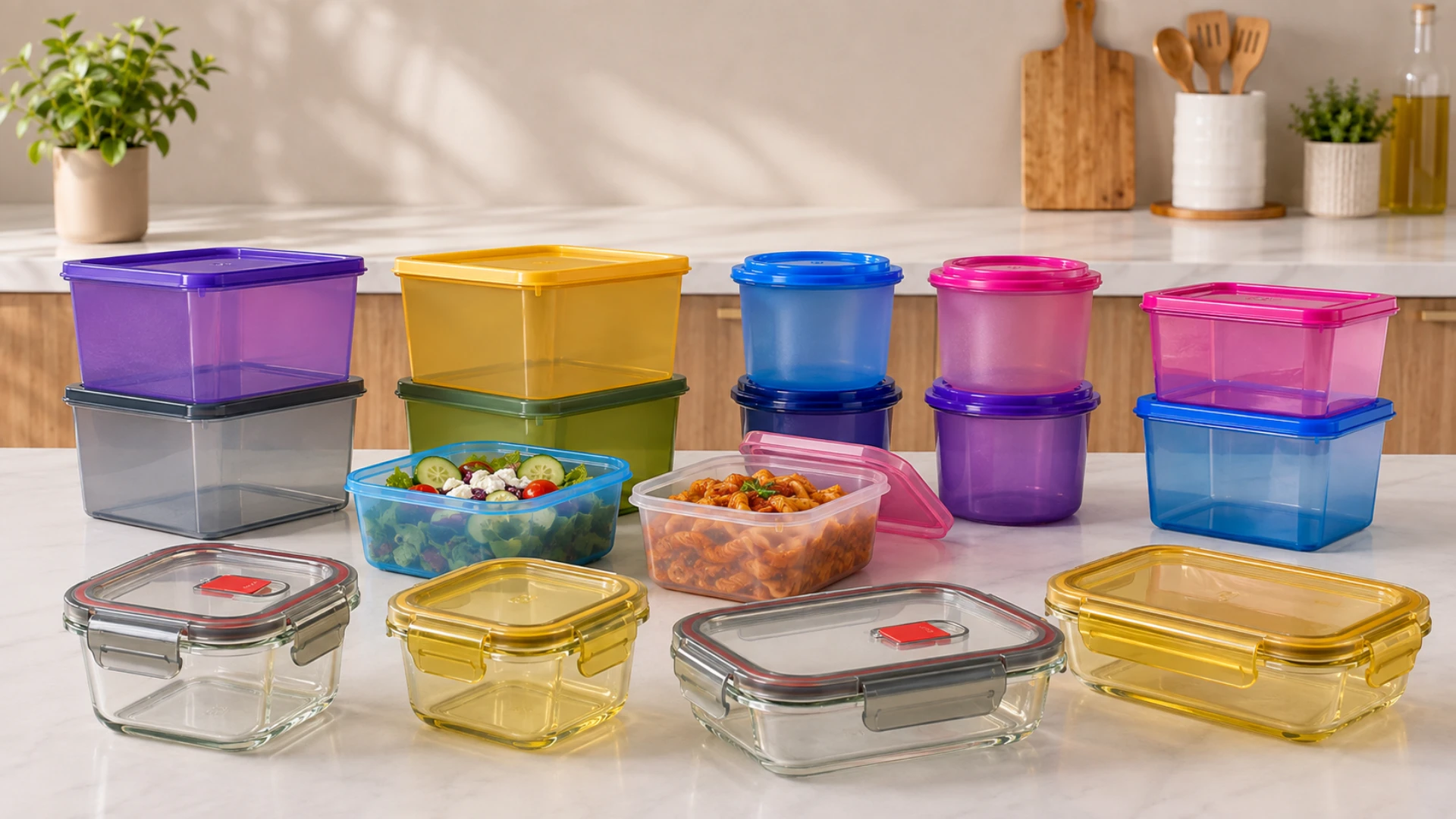
After: Neat, stackable containers you can see straight into.
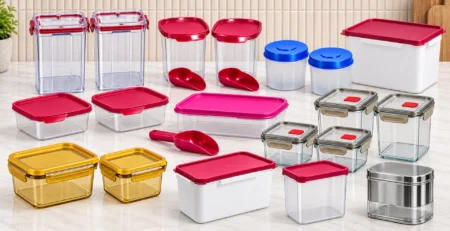
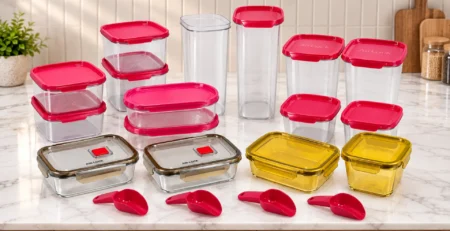
The biggest fridge upgrade is moving leftovers out of random vessels and into uniform, clear airtight containers. They stack, they don't spill, they keep food fresh for days longer, and, crucially, you can see the food, so you actually eat it. Airlock's Fresh Lock Glass Containers are ideal here since they go from fridge to microwave to table.
3. Create Zones
Before: Everything everywhere, no logic.
After: A predictable system where everything has a home.
Assign each shelf a purpose: leftovers on one shelf, dairy on another, ready-to-eat snacks in one spot, cooking ingredients in another. When everything has a zone, you stop losing things and stop buying duplicates.
4. Use Small Containers for Prepped Ingredients
Before: A single chopped onion drying out in an open bowl.
After: Prepped veg sealed fresh, ready to cook.
Small airtight containers are perfect for chopped onions, ginger-garlic paste, grated coconut, and washed herbs. Sealing them keeps them fresh and cuts your cooking time on busy evenings. No more strong onion smell taking over the whole fridge, either.
5. Corral Little Items on a Tray or in a Caddy
Before: Sauce sachets and small jars lost at the back.
After: Grouped together, pulled out in one motion.
Group small items, jams, pickles, sauces, into one airtight container or tray. Instead of hunting through the fridge, you pull out the whole group at once. This reclaims the “black hole” at the back of every shelf.
6. Store Dairy Properly
Before: Paneer drying out, an open pack of curd absorbing smells.
After: Dairy sealed, fresh, and smell-free.
Dairy absorbs fridge odours faster than almost anything. Transfer paneer, leftover curd, and opened cheese into small airtight containers. They'll stay fresher, taste cleaner, and won't pick up the smell of last night's curry.
7. Keep Vegetables Crisp in Ventilated Storage
Before: Limp coriander and soft vegetables in a damp drawer.
After: Crisp greens that last the week.
Line washed, dried herbs and leafy greens into airtight containers (a dry paper towel inside helps absorb excess moisture). Coriander, mint, and spinach last dramatically longer this way compared to the plastic bag they came in.
8. Batch-Prep and Stack
Before: No plan, daily scrambling.
After: A week of meals prepped and stacked.
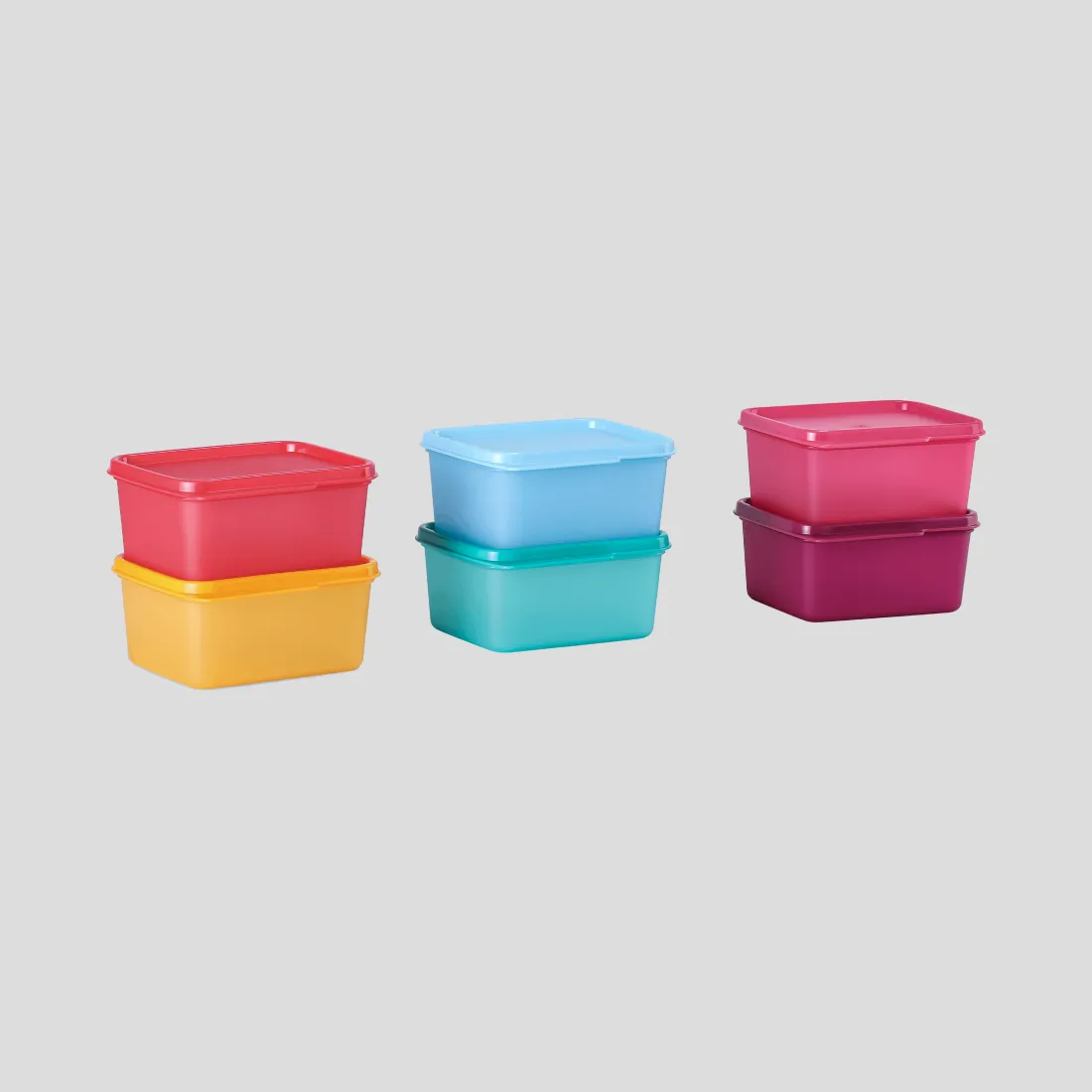
If you meal-prep, uniform stackable containers are your best friend. Cook in batches, portion into same-size containers, and stack them in a tidy column. You reclaim shelf space and your weeknights.
9. Make the Most of Fridge Door Space
Before: Tall bottles falling over, wasted vertical space.
After: Right-sized containers that fit the door shelves.
The door is prime real estate but awkwardly shaped. Use smaller, appropriately-sized containers for condiments and frequently-grabbed items so nothing topples every time you open the door.
10. Label and Date (Especially Leftovers)
Before: “How old is this, exactly?”
After: Instant clarity, zero waste.
A tiny habit with a big payoff: stick a small label or piece of tape with the date on each leftover container. You'll never again play the guessing game, and you'll eat things in the right order, oldest first.
The Payoff: Why This Actually Matters
An organised fridge isn't about looking pretty for its own sake. It delivers real, everyday benefits:
The best part? Once you set the system up, it mostly maintains itself. Uniform airtight containers make tidiness the default, not a chore.
Frequently Asked Questions
What type of container is best for the fridge?
Clear, airtight containers are ideal, glass for leftovers you'll reheat, and food-grade plastic for lightweight everyday use. Clear bodies matter most, because you eat what you can see.
How do airtight containers keep food fresher in the fridge?
They seal out air and moisture, which slow down spoilage and stop food from drying out. They also prevent smells from transferring between foods.
How should I organise a small fridge?
Zones and stacking matter even more in a small fridge. Use uniform, stackable containers to make full use of vertical space, and keep a “use first” spot for items nearing their date.
How long do leftovers last in airtight containers?
Most cooked leftovers keep well for 3–4 days in an airtight container in the fridge. Labelling with the date helps you use them in the right order.
Do I really need matching containers?
You don't need them, but uniform sizes stack far better and make the whole fridge tidier and easier to maintain. It's the single biggest visual and practical upgrade.
The Bottom Line
A tidy fridge starts with one simple switch: moving your food into clear, airtight containers. Decant your leftovers, create zones, prep your ingredients, and label your dates. Within one afternoon, you'll have a fridge that keeps food fresher, saves you money, and makes cooking easier every single day.