

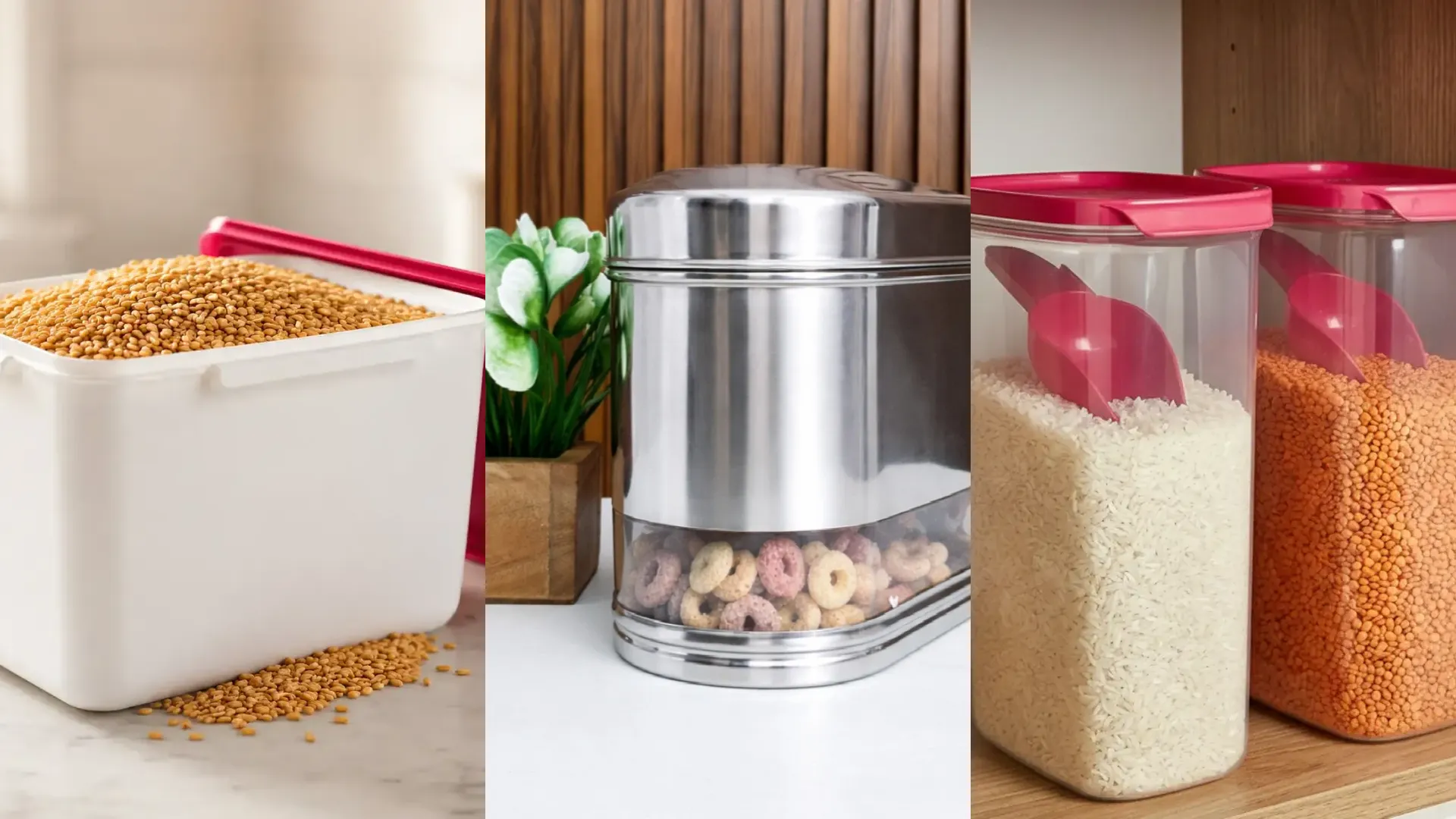
What “Airtight” Really Means: How Airlock Containers Keep Your Food Fresher 3x Longer
You've seen the word "airtight" stamped on almost every food container on the market. Pantry jars, lunch boxes, fridge boxes, masala dabbas — everything claims to be airtight. But here's the truth: most of them aren't.
If your atta turns lumpy in a week, your namkeen goes soft by day three, or your leftover dal develops that fridge smell overnight, your containers are leaking air. And where air goes, moisture, odour, and bacteria follow.
In this blog, we'll break down what "airtight" really means, how genuine airtight technology works inside Airlock containers, and why making the switch can keep your food fresh up to three times longer.
What Does "Airtight" Actually Mean?
An airtight container is one that creates a complete seal between the food inside and the air outside. No oxygen gets in. No moisture escapes or enters. No odours mix between containers in your fridge.
Sounds simple, but most containers fail at this because of three common design flaws:
A truly airtight container needs three things working together: a precision-moulded body, a high-grade silicone seal, and a strong locking system that maintains pressure on every side of the lid.
Why Air Is the Enemy of Fresh Food
Air contains oxygen and moisture — and both are bad news for stored food.
Oxygen causes oxidation. This is what turns cut apples brown, makes oils go rancid, and strips flavour from spices. It also fuels the growth of aerobic bacteria and mould.
Moisture is even worse. It softens crispy snacks, clumps your sugar and salt, and creates the perfect environment for fungal growth in flours, dals, and dry fruits.
Odours travel through gaps too. That's why your ghee starts smelling like onions, or your kheer picks up the flavour of last night's curry.
A genuinely airtight container blocks all three. That's the entire game.
How Airlock Containers Are Built to Be Truly Airtight
Airlock kitchenware is engineered around a single promise: a real seal, every single time. Here's what makes the difference:
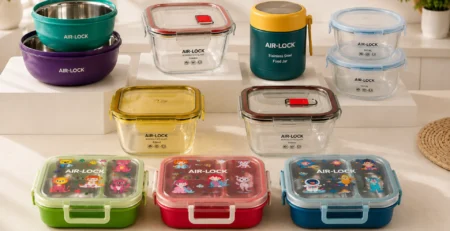
1. Food-grade silicone gaskets Every Airlock container uses a precision-fit silicone ring that compresses perfectly into the lid groove. This creates the primary barrier against air, moisture, and smell transfer.
2. Four-side locking lids Instead of a single push-down lid, Airlock containers use locking clips on all four sides (or hinged snap-lock systems on round containers). This applies equal pressure across the entire seal — no weak corners, no leaks.
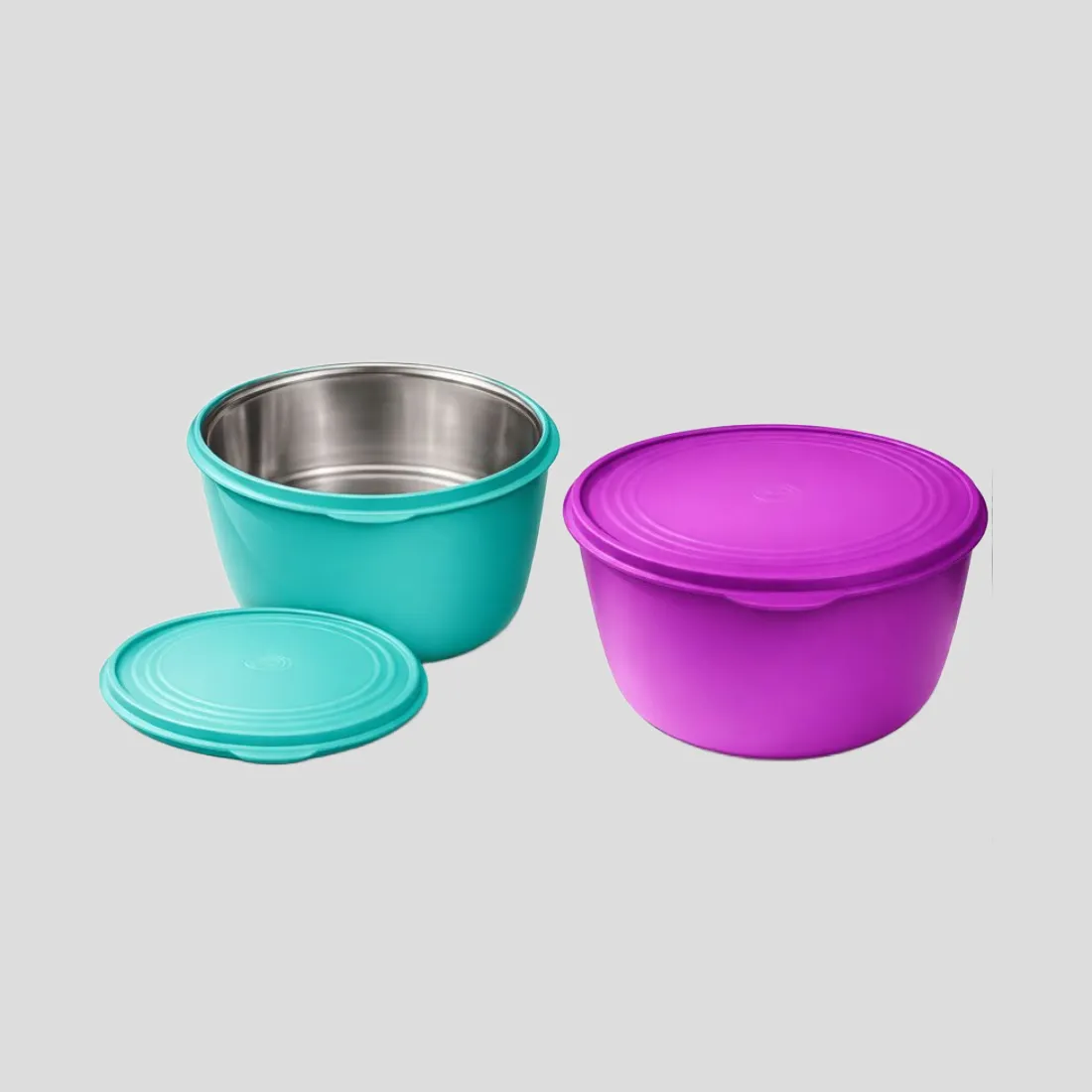
3. 100% food-grade materials Whether it's the Fresh Lock Glass Container range, the Clear Square dry storage containers, or the Crystal Bowl set, every product is made from food-safe materials that don't react with your food, leach chemicals, or absorb odours.
4. Built to global safety standards Airlock products are certified safe for microwave, freezer, and dishwasher use, depending on the variant, which means the seal stays intact even after temperature changes that would warp lesser containers.
How Much Longer Does Food Actually Stay Fresh?
Real-world results vary by food type, but here's what a proper airtight seal typically delivers:
That's where the "3x longer" claim comes from. Less spoilage, less waste, more savings.
Choosing the Right Airlock Container for Each Use
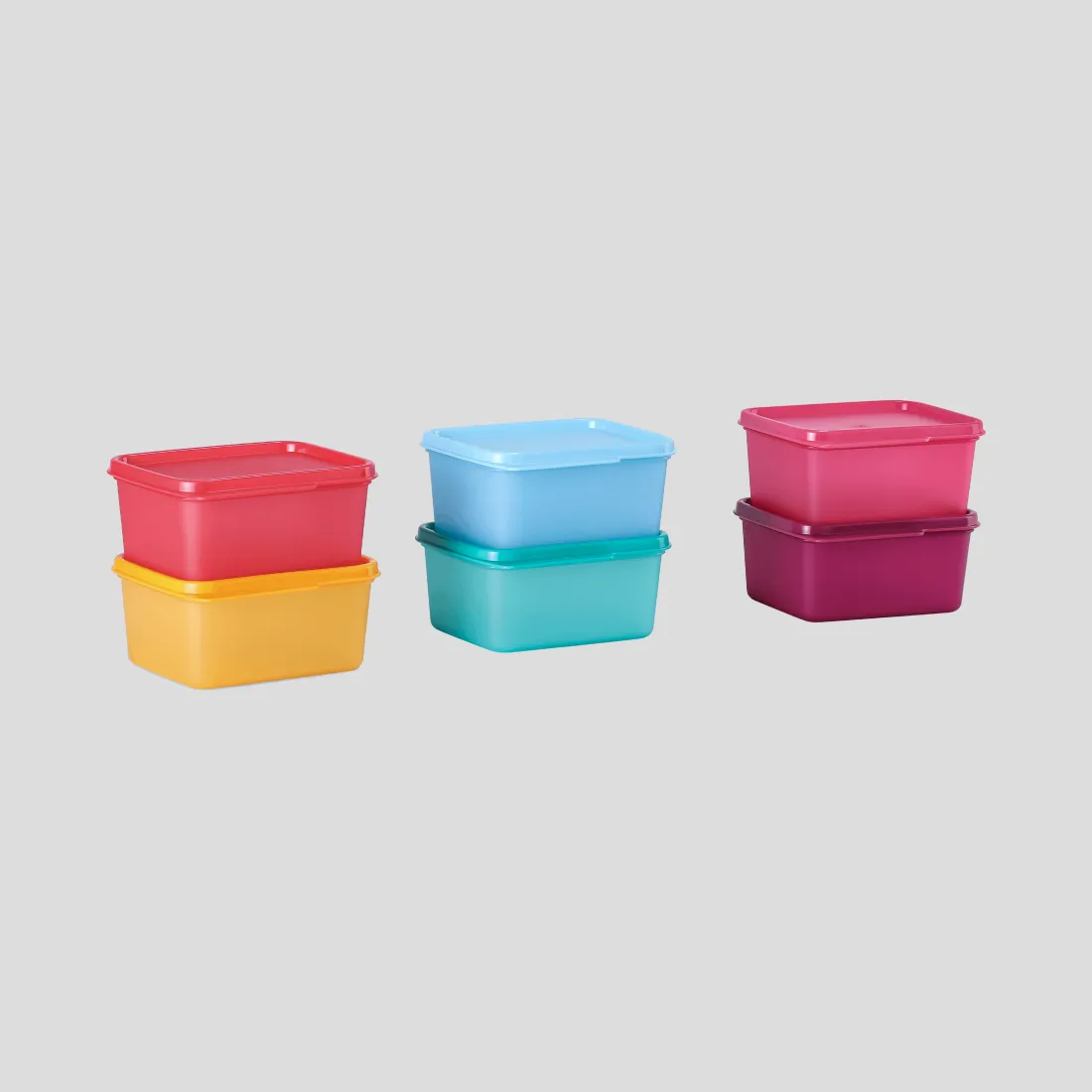
Not every food needs the same container. Here's a quick guide:
How to Test If Your Container Is Truly Airtight
If even a single drop escapes, that container is letting air in too. It's time to upgrade.
Frequently Asked Questions
Are Airlock containers microwave-safe?
Yes, specific Airlock ranges including Fresh Lock Glass Containers and select plastic microwave containers are tested and certified microwave-safe. Always check the product page for the specific variant.
Can I put hot food directly into an Airlock container?
For glass and stainless steel variants, yes. For plastic containers, let food cool slightly first to extend the lid and gasket lifespan.
How do I clean the silicone gasket?
Remove the gasket from the lid every few weeks, wash it with warm soapy water, dry it completely, and refit it. This keeps the seal performing like new for years.
Will the lock weaken over time?
Genuine Airlock products are engineered for daily use over many years. The locking clips are tested for thousands of open-close cycles without losing tension.
Are these containers safe for the freezer?
Yes, most Airlock fridge and freezer containers are freezer-safe down to standard household freezer temperatures.
The Bottom Line
"Airtight" isn't a marketing word — it's a measurable, testable standard. When your container has a real silicone seal, a strong multi-side lock, and food-grade construction, your food stays fresher, your kitchen smells cleaner, and your monthly grocery bill drops because nothing goes to waste.
Ready to upgrade your kitchen with containers that actually do what they promise?