

How to Stop Wasting Food: A Weekly Meal Prep System Using Stackable Containers
Here's an uncomfortable truth about most kitchens: a surprising amount of the food we buy ends up in the bin. Vegetables wilt before we get to them. Leftovers get pushed to the back of the fridge and forgotten. We cook too much, or too little, and scramble at the last minute.
It's not carelessness, it's the lack of a system. And the good news is that a system is easy to build. With a little planning and a set of stackable airtight containers, you can dramatically cut your food waste, save money, and take the daily stress out of “what's for dinner?”
This guide gives you a practical weekly meal prep routine designed for real, busy homes.
Why We Waste So Much Food (and How a System Fixes It)
Food waste almost always comes down to three habits:
A weekly meal prep system attacks all three: you plan what you'll actually eat, cook in sensible portions, and store everything so it stays fresh and visible. Nothing gets lost, nothing gets wasted.
Step 1: Plan Before You Shop
The entire system starts before you enter a shop. Spend ten minutes deciding roughly what you'll eat for the week, not a rigid menu, just a realistic plan.
Ask yourself: how many meals do we actually eat at home this week? What's already in the fridge and pantry that needs using up? What can share ingredients (so one bunch of coriander or one batch of onions serves several dishes)?
Then write a shopping list based on that plan, and stick to it. Buying to a plan instead of by impulse is the single biggest cut you can make to food waste.
Step 2: Shop Smart
At the shop, buy to your list and to your real usage. A few habits help:
Step 3: Prep in One Session
This is the heart of the system. Pick one day, Sunday works for many people, and do a single prep session that sets you up for the week.
Wash and chop vegetables for the next few days and store them in airtight containers. Prepare bases you use often, like ginger-garlic paste, chopped onions, or boiled potatoes. Cook a few items in batches, dals, a curry base, rice, that can be mixed and matched through the week.
An hour or two of prep saves you far more time across the week, and means healthy home food is always within reach instead of an order-in temptation.
Step 4: Portion Into Stackable Containers
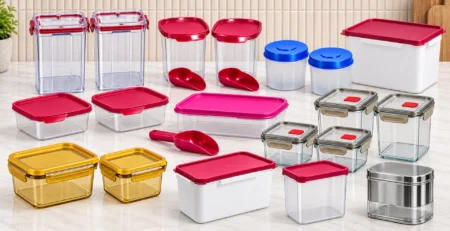
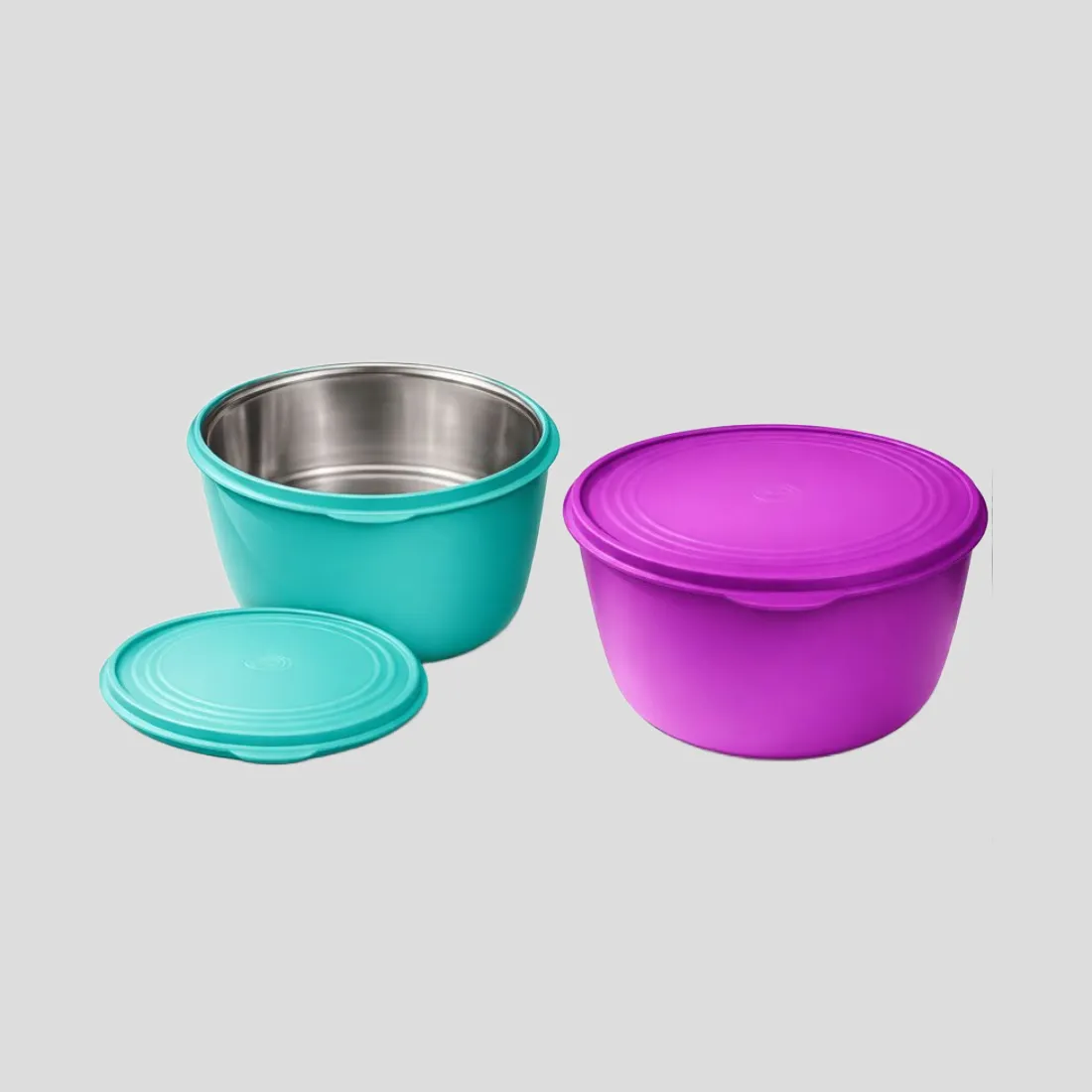
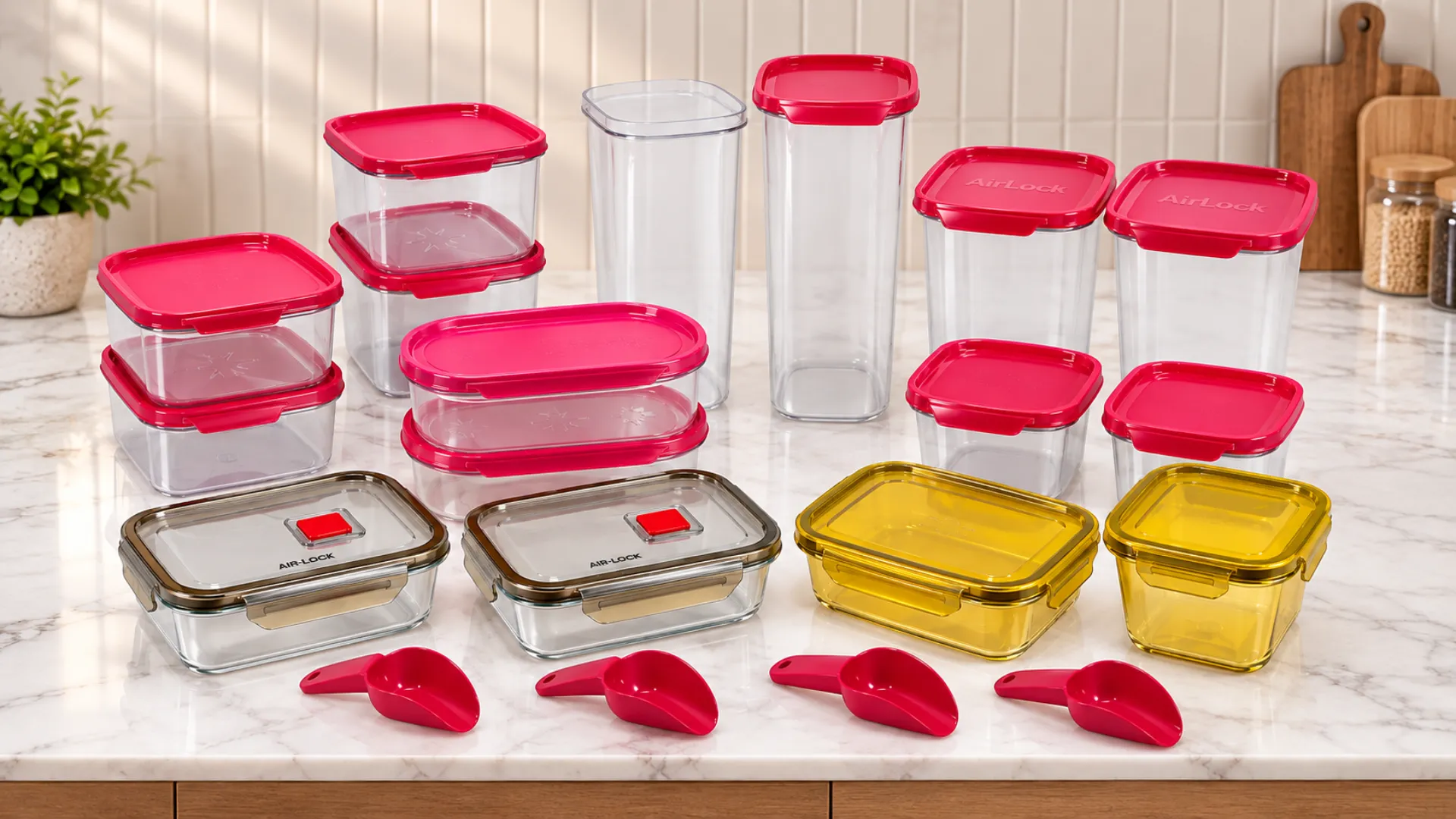
Once food is prepped and cooked, portion it into stackable airtight containers, this is where the magic happens.
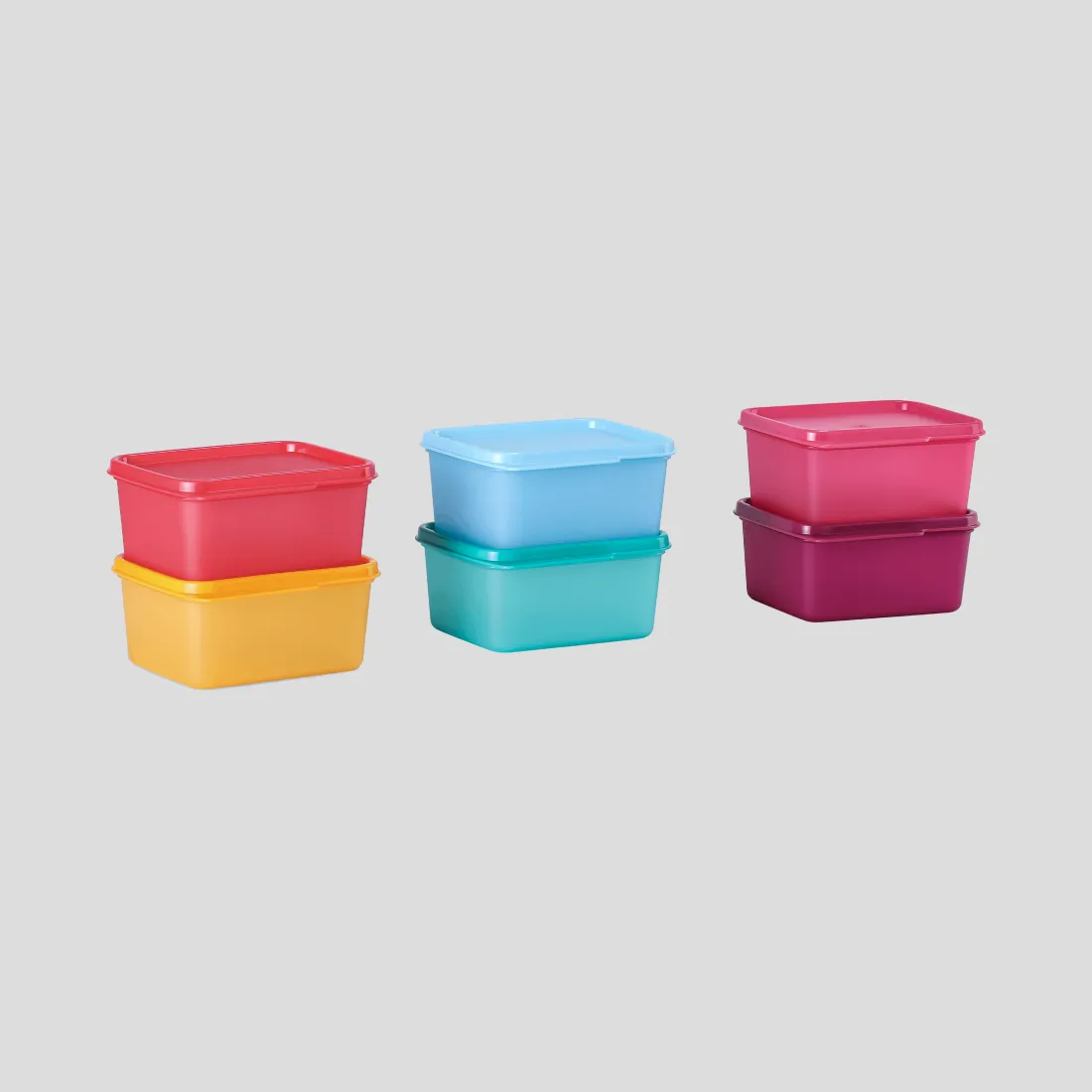
Portioning does three things at once: it controls how much you cook and eat (no more giant pots of leftovers), it keeps each item fresh and sealed, and, because the containers stack, it keeps your fridge tidy and every item visible.
Use uniform, same-size containers so they stack into neat columns. Clear containers are best, because you eat what you can see. Glass containers like Airlock's Fresh Lock Glass range are ideal here, since you can store, then reheat, then serve in the very same container.
Step 5: Label and Rotate
Stick a small date label on each container as you fill it. Then follow one simple rule: first in, first out. Eat the oldest items first, moving newer ones to the back.
This tiny habit is what finally ends the “forgotten leftover” problem. Nothing hides at the back until it spoils, because you always know what's oldest and eat it first.
Step 6: Keep a “Use First” Zone
Dedicate one spot in your fridge, a shelf or a labelled container, as the "use first" zone. Anything nearing its date goes there. When you're deciding what to eat, you check that zone first.
It's a small change with a big impact: it turns “about to be wasted” food into “the next thing we eat.”
A Sample Weekly Rhythm
Here's how it comes together in practice:
You don't have to follow it rigidly. Even adopting half of this rhythm will noticeably cut your waste and your weeknight stress.
The Payoff
A working meal-prep system delivers benefits you feel immediately:
Frequently Asked Questions
How long does prepped food last in the fridge?
Most cooked items keep well for 3–4 days in an airtight container, and prepped raw vegetables a few days too. Labelling with the date helps you use everything in time.
What containers are best for meal prep?
Uniform, stackable, airtight containers. Clear ones are best so you can see contents, and glass is especially handy because you can reheat and serve in the same container.
Do I have to cook everything on prep day?
No. Even just washing and chopping vegetables, and preparing a couple of bases, makes a big difference. Do as much or as little batch-cooking as suits you.
How does meal prep actually reduce waste?
It aligns what you buy with what you'll eat, portions food so less is left over, and stores everything visibly so nothing is forgotten. All three are major sources of waste.
Can I freeze prepped meals too?
Yes. Many batch-cooked items freeze well in freezer-safe airtight containers, extending them well beyond the few days they'd last in the fridge.
The Bottom Line
Food waste isn't a personal failing, it's a missing system. Build a simple weekly rhythm, plan, shop smart, prep in one session, portion into stackable containers, label and rotate, and keep a "use first" zone, and the waste largely takes care of itself.
You'll spend less, throw away less, eat better, and reclaim your weeknights. All it takes is a bit of planning and the right set of stackable containers.