

Spice Container Hacks Every Indian Home Cook Will Love
Spices are the heart of Indian cooking. A single tadka can call for jeera, rai, hing, haldi, and mirchi - all within the first thirty seconds. So the way you store your masalas isn't a small detail; it quietly shapes how fast, how clean, and how joyful your cooking feels every single day.
Yet most spice collections are a mess of mismatched jars, old packets folded over at the top, and that one tin where nobody remembers what's inside. The result: faded aromas, clumpy haldi, and five minutes wasted hunting for the garam masala.
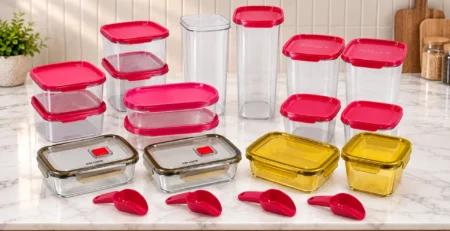
Here are the spice container hacks that genuinely make an Indian kitchen run better - all built around airtight storage.
1. Switch Every Masala to an Airtight Container
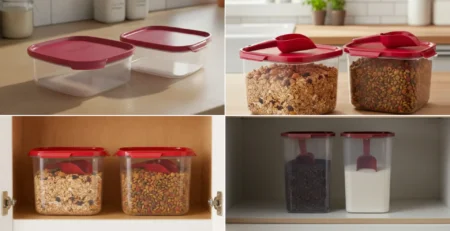
This is the foundation. Spices lose their aroma the moment air, moisture, and light get to them - and aroma is flavour. A folded packet or a loose-lidded jar lets all three in.
Moving every spice into a proper airtight container locks the freshness in, so your dhania-jeera powder smells just as strong in month three as it did on day one. It's the single highest-impact change you can make to your masala shelf.
2. Keep a Separate Daily Masala Dabba
The spices you reach for every day - haldi, mirchi, dhania-jeera, salt, rai, jeera - don't belong at the back of a cabinet. Keep them in one dedicated masala dabba (the classic round steel box with small containers) right next to your stove.
This single habit saves you the daily scramble. Everyday spices stay within arm's reach during cooking, while bulk refills and occasional spices live separately in the pantry.
3. Use Uniform, Stackable Containers
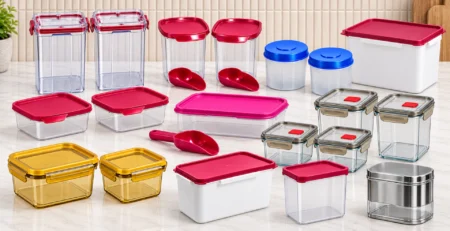
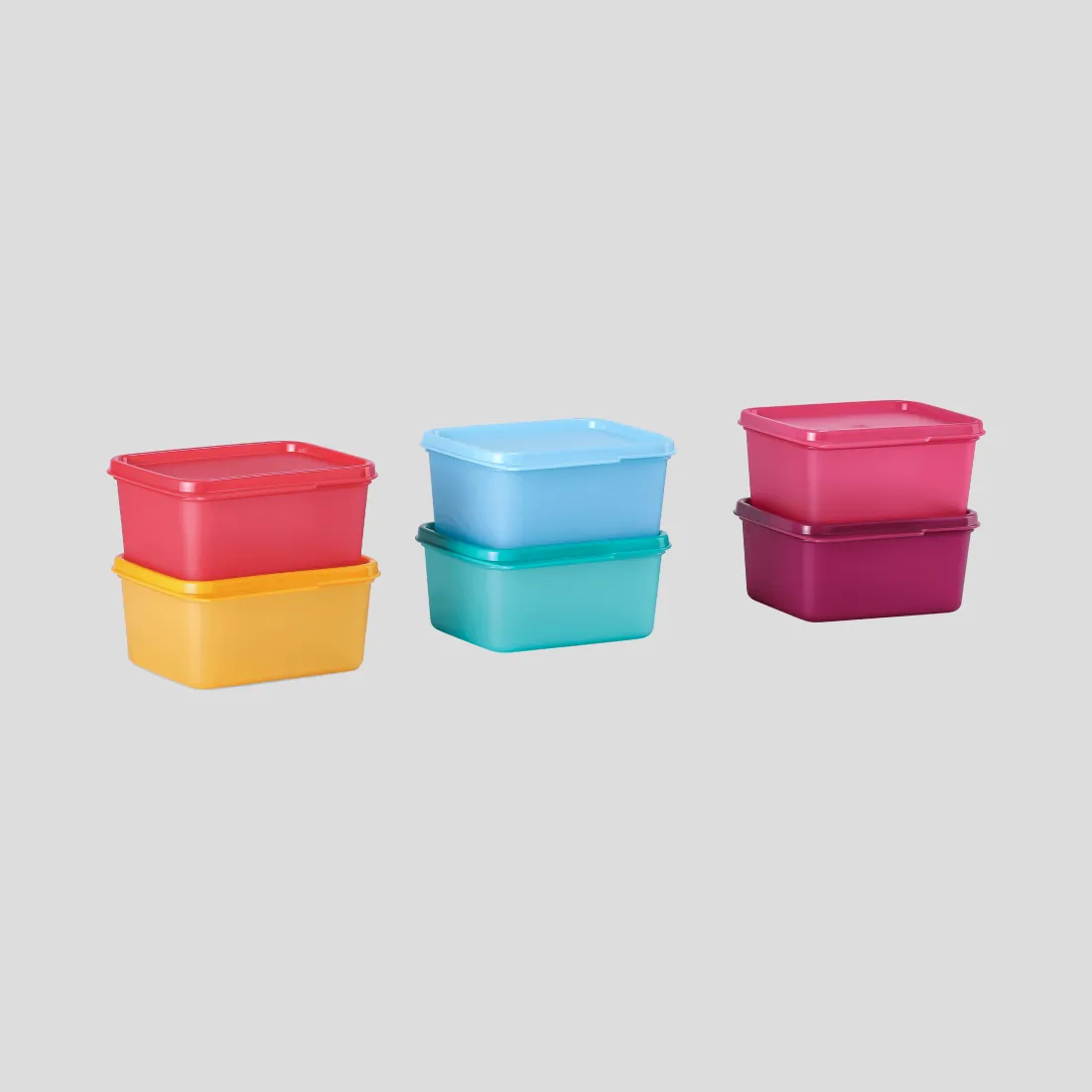
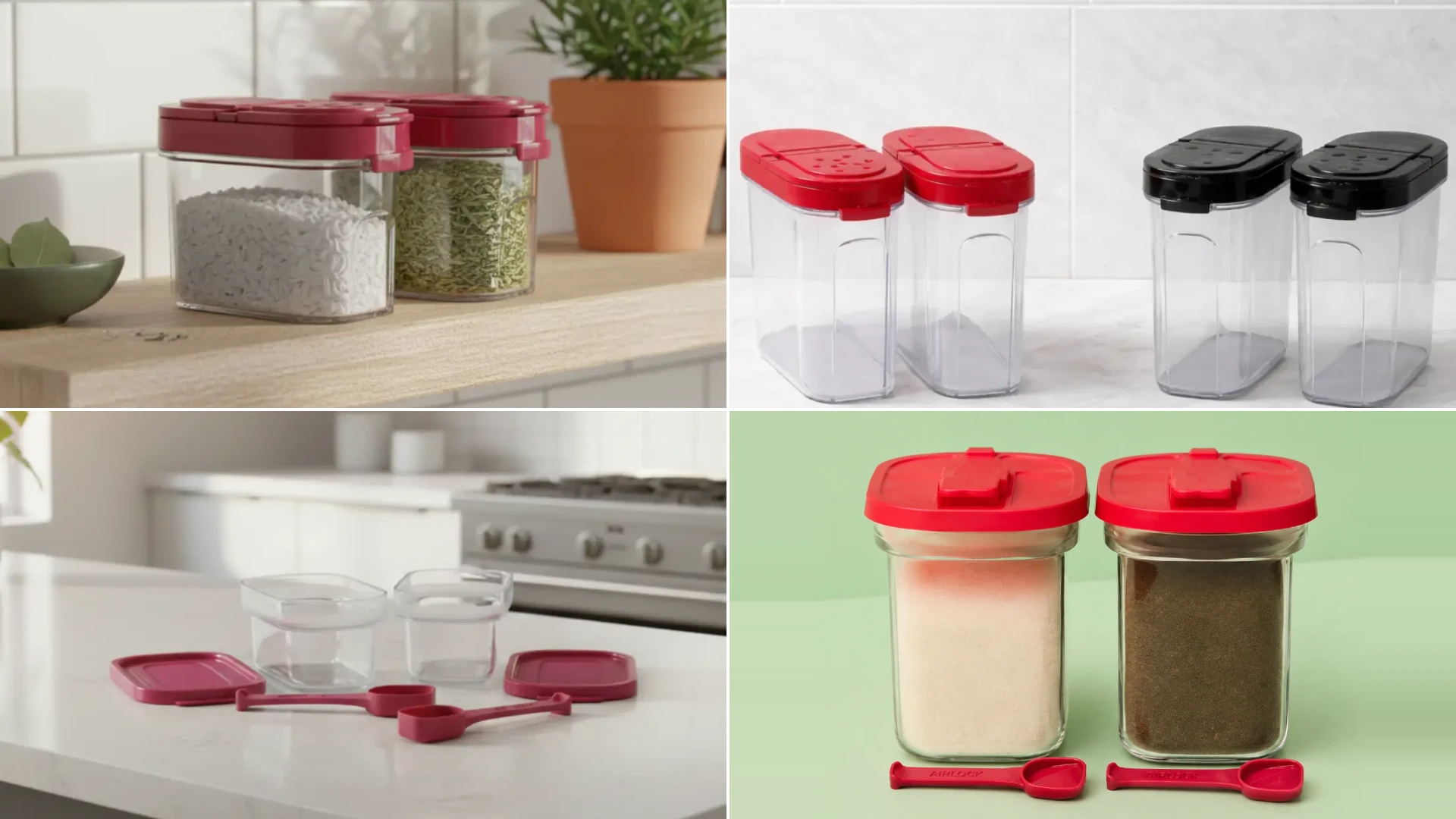
Mismatched jars waste space and look cluttered. A set of uniform, stackable spice containers transforms a chaotic shelf into a neat, organised wall of masalas - and lets you use the full height of your cabinet.
Square or rectangular containers are especially smart, since they tile together without the wasted gaps round jars leave behind.
4. Label Everything - Clearly and on the Front
Haldi and besan can look alike at a glance. So can dhania powder and red chilli when the light is low. Clear labels on the front of each container end the guesswork instantly.
For an extra-useful touch, add the fill date on the label too, so you always know how fresh each spice is. Clear containers help here as well - seeing the colour and quantity at a glance is half the battle.
5. Store Whole and Ground Spices Separately
Whole spices (jeera, saunf, elaichi, cloves) last far longer than ground ones, because less surface area is exposed to air. Ground spices fade faster and need smaller, more frequently refilled containers.
Keep them in separate zones: whole spices in slightly larger containers you refill less often, ground masalas in smaller containers sized to how quickly you finish them.
6. Keep Spices Away from Heat, Light, and Moisture
The three enemies of spice freshness are heat, light, and moisture - and the spot right above the stove has all three. Steam and heat rising from cooking will clump your haldi and dull every aroma.
Store spices in a cool, dry cabinet away from the stove and direct sunlight. Airtight containers do the heavy lifting against moisture, but placement matters too. And always use a dry spoon - never a wet one - to keep moisture out.
7. Right-Size the Container to How Fast You Use It
Buying a giant jar of a spice you use twice a year means it goes stale long before it's finished. Match the container size to your usage: large for everyday staples like haldi and chilli, small for occasional spices like kasuri methi or star anise.
A smaller container of a rarely used spice keeps the aroma locked in until you actually need it, instead of letting it fade in a half-empty jar.
8. Group Spices by How You Cook
Organise spices the way your cooking flows. Keep tadka spices (rai, jeera, hing, curry leaves) together, baking and sweet spices (elaichi, cinnamon, nutmeg) in another group, and dry masalas (garam masala, chaat masala, sambhar powder) in a third.
Grouping by use means your hand goes straight to the right cluster mid-cooking, instead of scanning the whole shelf.
9. Use Small Containers for Homemade Blends
If you grind your own garam masala, sambhar powder, or chai masala, store each in its own small airtight container. Homemade blends have no preservatives and the freshest, most volatile aromas - so sealing them properly matters even more than for shop-bought powders.
Small containers also mean you grind in sensible batches and always use the blend while it's at its peak.
10. Refill - Don't Top Up
It's tempting to pour new masala on top of the old. But the spice at the bottom can sit there for months, going stale and dull. Instead, finish what's in the container, give it a quick wipe (make sure it's fully dry), then refill.
This "first in, first out" habit keeps every spoonful fresh and stops that layer of ancient, flavourless powder from building up at the bottom.
Quick Wins for a Fresher Masala Shelf
If you want to start today:
Frequently Asked Questions
How long do spices stay fresh in airtight containers?
Whole spices can stay aromatic for a year or more; ground spices are best within 6 months. Airtight storage, away from heat and light, keeps them fresher for the full stretch.
Why does my haldi or chilli powder get clumpy?
Clumping is caused by moisture - usually steam from cooking or a wet spoon. Store spices away from the stove, keep them airtight, and always use a dry spoon.
Are clear or opaque spice containers better?
Clear containers are more convenient - you can see the spice and its quantity at a glance. Just keep them in a cabinet away from direct light, since light slowly fades aroma.
Should I store spices in the fridge?
Generally no. A cool, dry cabinet is ideal. The fridge introduces moisture each time you take spices in and out, which can cause clumping.
What size spice container should I buy?
Match it to how fast you use the spice: larger for everyday staples like haldi and chilli, small for occasional spices. A right-sized container keeps aroma locked in instead of fading in a half-empty jar.
The Bottom Line
Great Indian cooking starts before the pan is even hot - on a well-organised masala shelf. Move your spices into airtight containers, keep a daily dabba by the stove, label and right-size everything, and store it all away from heat and moisture.
These small hacks add up to fresher flavour, faster cooking, and a shelf that actually makes sense. Your tadka will thank you.