

Plastic vs. Glass vs. Stainless Steel Containers: Which One Should Be in Your Kitchen?
Walk down any kitchenware aisle — or scroll through any online store — and you'll face the same question: should you buy plastic, glass, or stainless steel containers?
Here's the good news: there's no wrong answer. Each of these three materials is excellent — they're simply built for different jobs. A well-run kitchen usually uses all three, each doing what it does best.
This guide breaks down all three honestly, so you can match the right container to the right task and shop with complete confidence.
The Quick Answer
There's no single "best" material — there's a best material for each job. Most well-stocked Indian kitchens use a mix of all three:
Think of it as a team, not a competition. Here's what each one brings.
Plastic Containers — Light, Smart, Everyday-Friendly
Plastic is the most-used storage material in Indian homes, and modern food-grade plastic has made it better than ever.
What makes it great
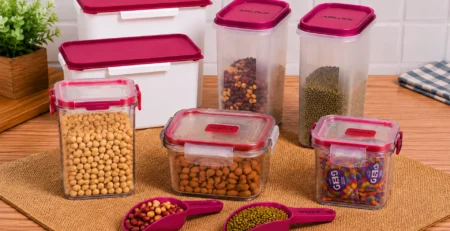
Plastic is wonderfully lightweight, so everyone in the family can handle it easily — including children and elderly members. It's shatterproof, so it handles drops and daily use without a worry. Good food-grade plastic comes with excellent airtight seals, crystal-clear bodies so you can see what's inside at a glance, and smart stackable shapes that make the most of every shelf. It's also brilliant value, letting you kit out an entire pantry affordably.
Where it shines
Dry pantry storage (atta, rice, dal, sugar, spices), tiffins, fridge organisation, and anything you move around often.
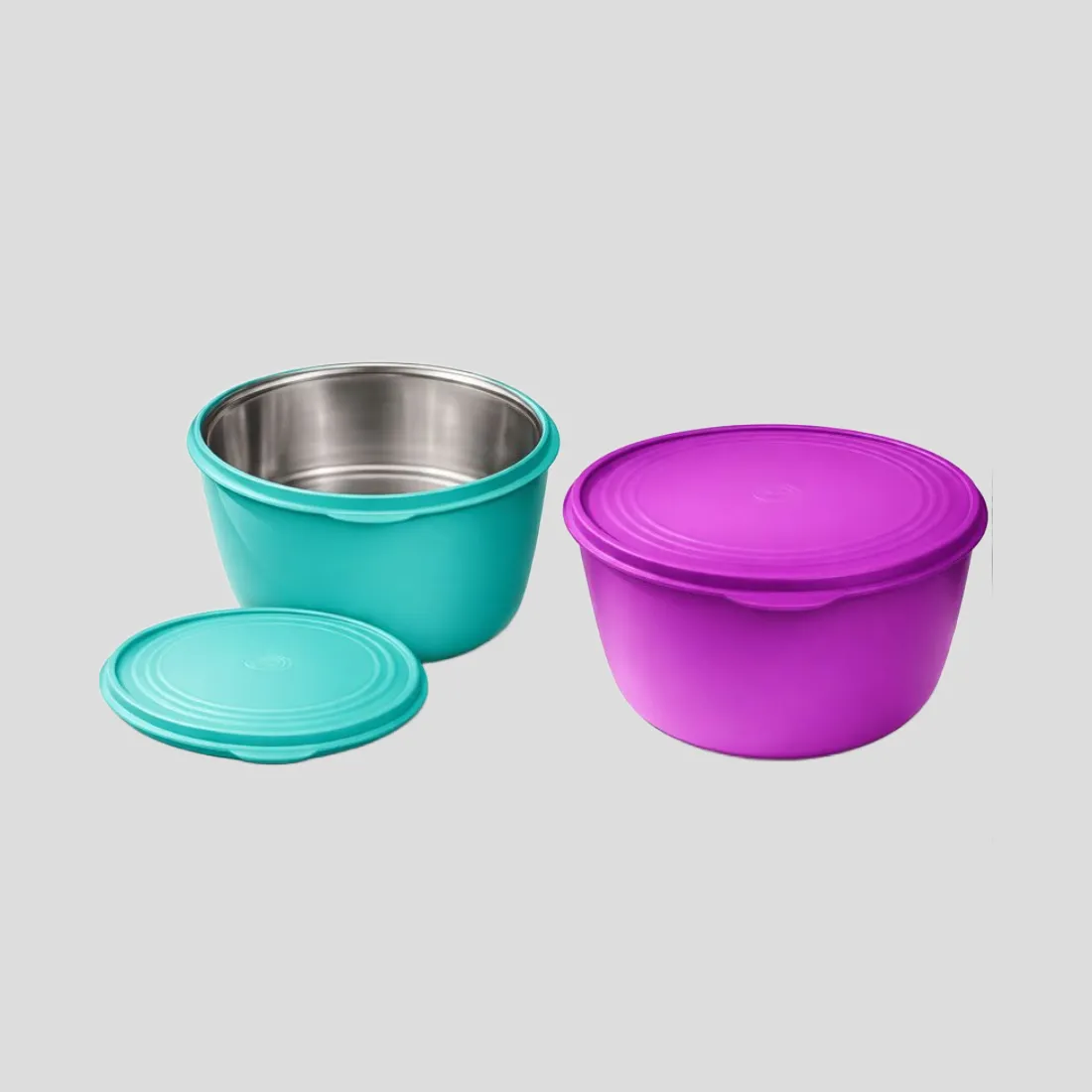
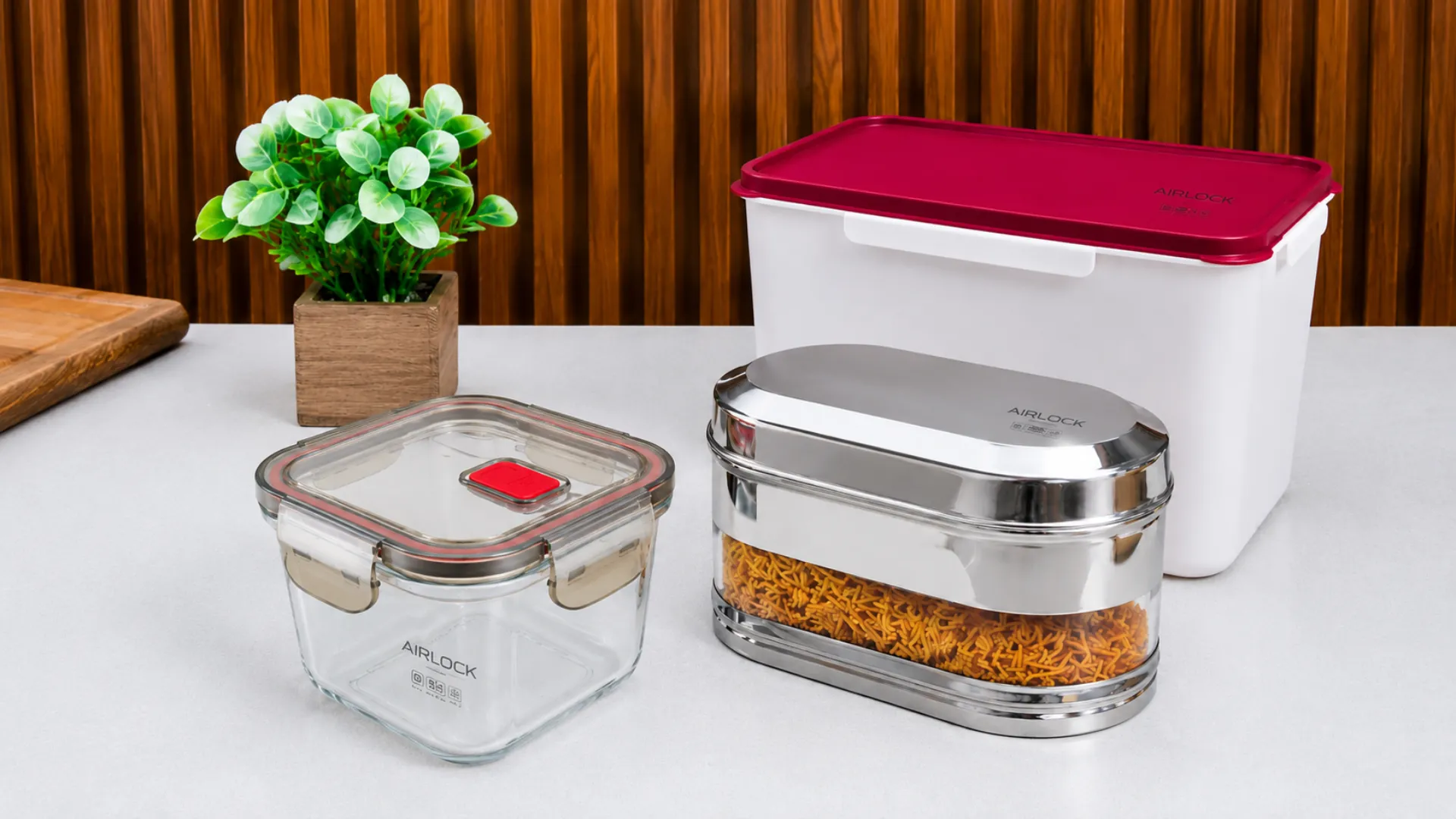
A quick quality note for customers: always choose 100% food-grade, BPA-free plastic from a trusted brand. That's exactly what the Airlock range delivers — the Clear View Titan Containers and Mega Store Containers feature food-safe construction, strong locking lids, and dependable airtight seals built for years of everyday use.
Glass Containers — Pure, Premium, Reheat-Ready
Glass is the favourite for anyone who loves to store and reheat in the very same container.
What makes it great
Glass is completely non-reactive — it never picks up colour, smell, or flavour, no matter what you store. Today's tomato curry won't affect tomorrow's kheer. It's microwave-safe, so food goes from fridge to microwave to table without ever changing containers. It cleans up effortlessly, never stains, and looks elegant enough to serve straight onto the dining table. For many families, glass simply feels like the premium choice.
Where it shines
Storing and reheating cooked food and leftovers, fridge meal-prep, and any dish where you want zero smell or stain transfer. Glass is perfect for the "store it, heat it, serve it" routine.
The Fresh Lock Glass Containers from Airlock are designed for exactly this — airtight lids, microwave and freezer friendly, and clear enough to see every meal at a glance.
Stainless Steel Containers — Tough, Timeless, Built to Last
Stainless steel is the material Indian kitchens have trusted for generations, and modern designs have made it more versatile than ever.
What makes it great
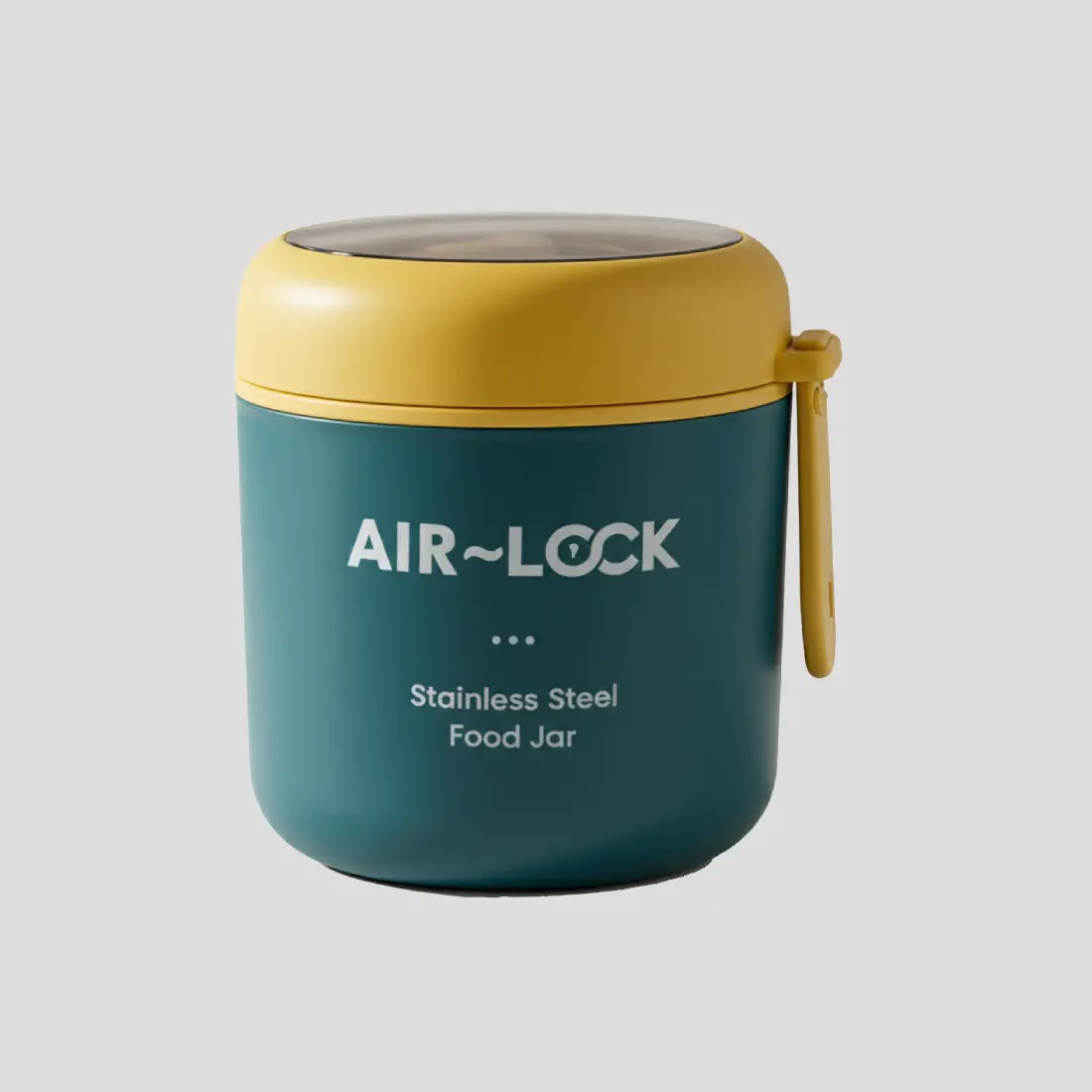
Steel is extraordinarily durable — a good stainless steel container can genuinely serve you for decades. It's completely chemical-free and non-reactive, never stains, never holds odour, and shrugs off rough daily handling. It's naturally hygienic and easy to sanitise, which is why it has always been the trusted choice for tiffins and storage dabbas. Many modern steel containers now include a clear window panel too, so you get steel's strength and easy visibility of what's inside.
Where it shines
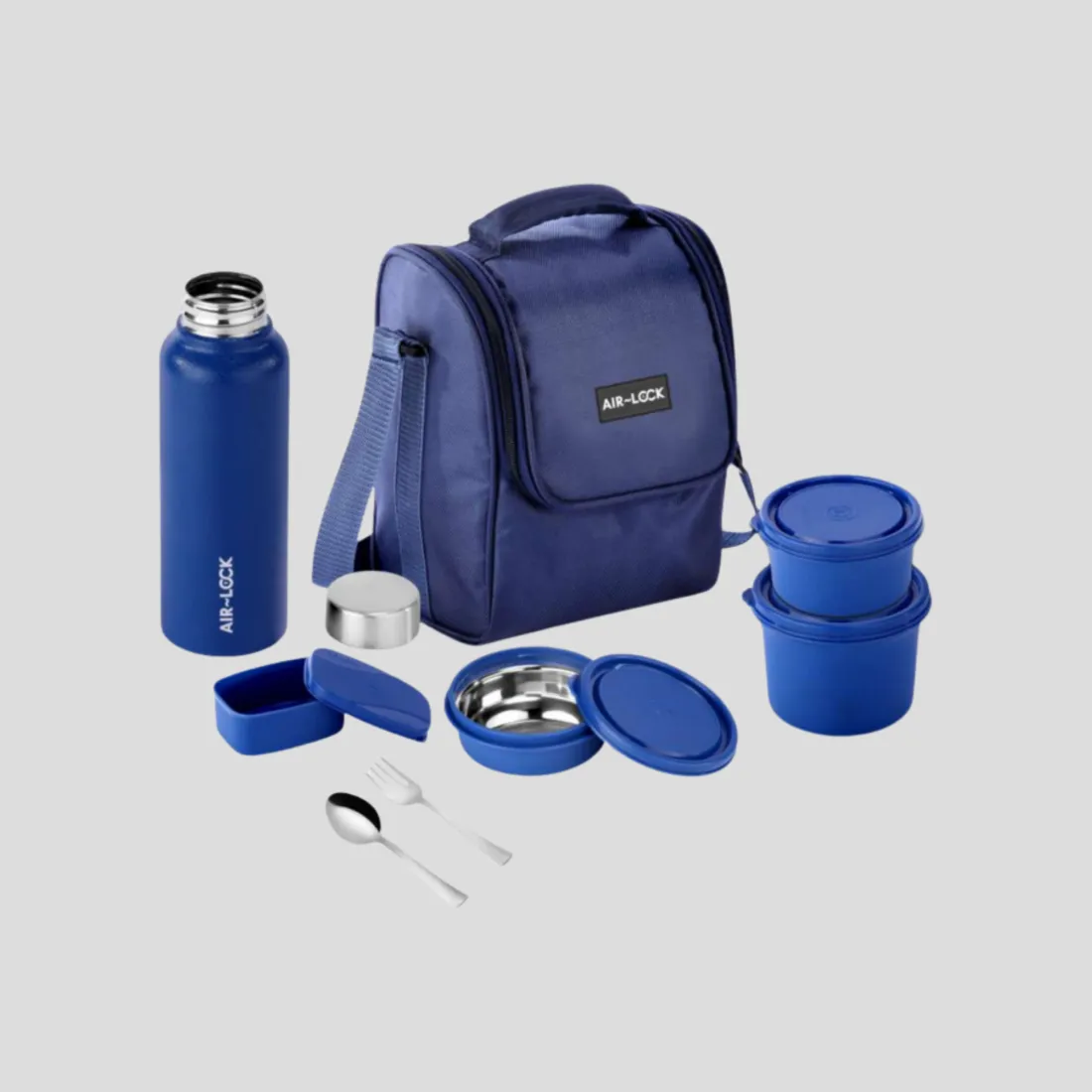
Lunch boxes and tiffins, long-term storage, and any household that wants a buy-once, use-for-years solution.
For customers who value longevity above all, steel is the investment that keeps paying back.
Side-by-Side Comparison
Every column has green ticks — because every material is a strong performer. The table simply helps you pick the right tool for each task.
How to Choose What's Right for You
Instead of picking one material, match the material to the job:
Reach for plastic when you want lightweight, affordable, see-through containers for dry pantry goods and everyday use — easy to handle, easy to stack, easy to carry.
Reach for glass when you frequently reheat food in the microwave, want zero smell or stain transfer, and like storage elegant enough to go straight to the table.
Reach for stainless steel when you want maximum durability, a timeless chemical-free option, and containers that will outlast everything else in your kitchen.
The smartest kitchens don't choose just one — they combine all three. Plastic for the pantry shelf, glass for the fridge, steel for the tiffin bag. The good news? You can find all three, made to the same high food-safe standard, in one place.
Frequently Asked Questions
Is plastic safe for food storage? Absolutely — when it's 100% food-grade and BPA-free, as all quality plastic should be. Food-grade plastic is tested to be completely safe for everyday food storage.
Can I microwave glass containers? Yes, glass containers are microwave-safe. Just remove the lid first (or open the vent if the lid has one) before heating.
Why isn't stainless steel microwave-safe? Metal reflects microwaves rather than letting them pass through. Steel is outstanding for storage and travel — just use glass or microwave-safe plastic when you need to reheat.
Which material lasts the longest? Stainless steel typically has the longest lifespan, often lasting decades. Quality glass and food-grade plastic also last for many years with simple care.
Should I use glass or plastic for different foods? Glass is ideal for cooked food and leftovers you'll reheat. Plastic is ideal for dry goods like flour, rice, and spices, and for items you carry around often. Steel is perfect for tiffins and long-term storage.
The Bottom Line
Plastic, glass, and stainless steel each earn a proud place in a well-run kitchen. Plastic wins on lightness and value, glass wins on reheating and purity, and steel wins on sheer longevity.
So don't ask "which is best" — ask "which is best for this job." Then build a storage collection that covers all three, and your kitchen will be ready for anything.