

Food-Grade Materials Demystified: What BPA-Free, Food-Safe Plastic, and SS304 Actually Mean
"BPA-free." "Food-grade." "SS304." "Food-safe plastic."
These terms are stamped on kitchenware everywhere, and they're meant to reassure you. But most people have no idea what they actually mean, which makes it hard to tell genuine quality from marketing.
This guide clears it up. By the end, you'll understand exactly what these labels mean, why they matter for your family's health, and how to tell whether the containers and bottles in your kitchen are truly safe.
What Does "Food-Grade" Actually Mean?
"Food-grade" (or "food-safe") means a material has been tested and approved as safe to come into direct contact with food. It won't leach harmful chemicals into what you eat or drink, won't react with food, and meets recognised safety standards for the job.
Here's the important part: not all plastic or metal is food-grade. The same base material can be manufactured to food-grade standards or to a cheaper industrial standard that was never meant to touch food. A bucket-grade plastic and a food-grade plastic might look identical to the eye, but only one is safe for storing your atta or leftovers.
That's why the label matters. It's not decoration; it's a statement that the material was made and tested specifically for food contact.
Understanding "BPA-Free"
BPA stands for Bisphenol A, a chemical historically used in making certain hard plastics. The concern is that BPA can, under some conditions (like heat), migrate in tiny amounts from the plastic into food or drink. Because of health concerns raised over the years, many people now actively avoid it.
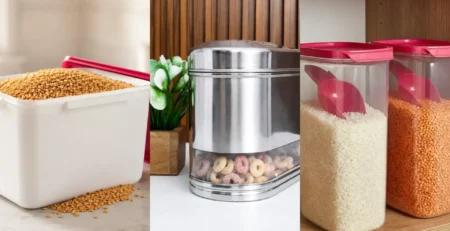
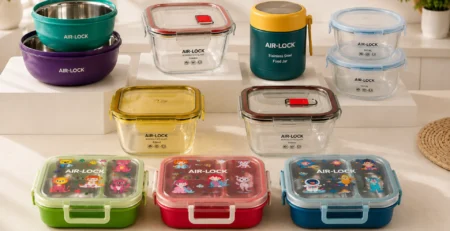
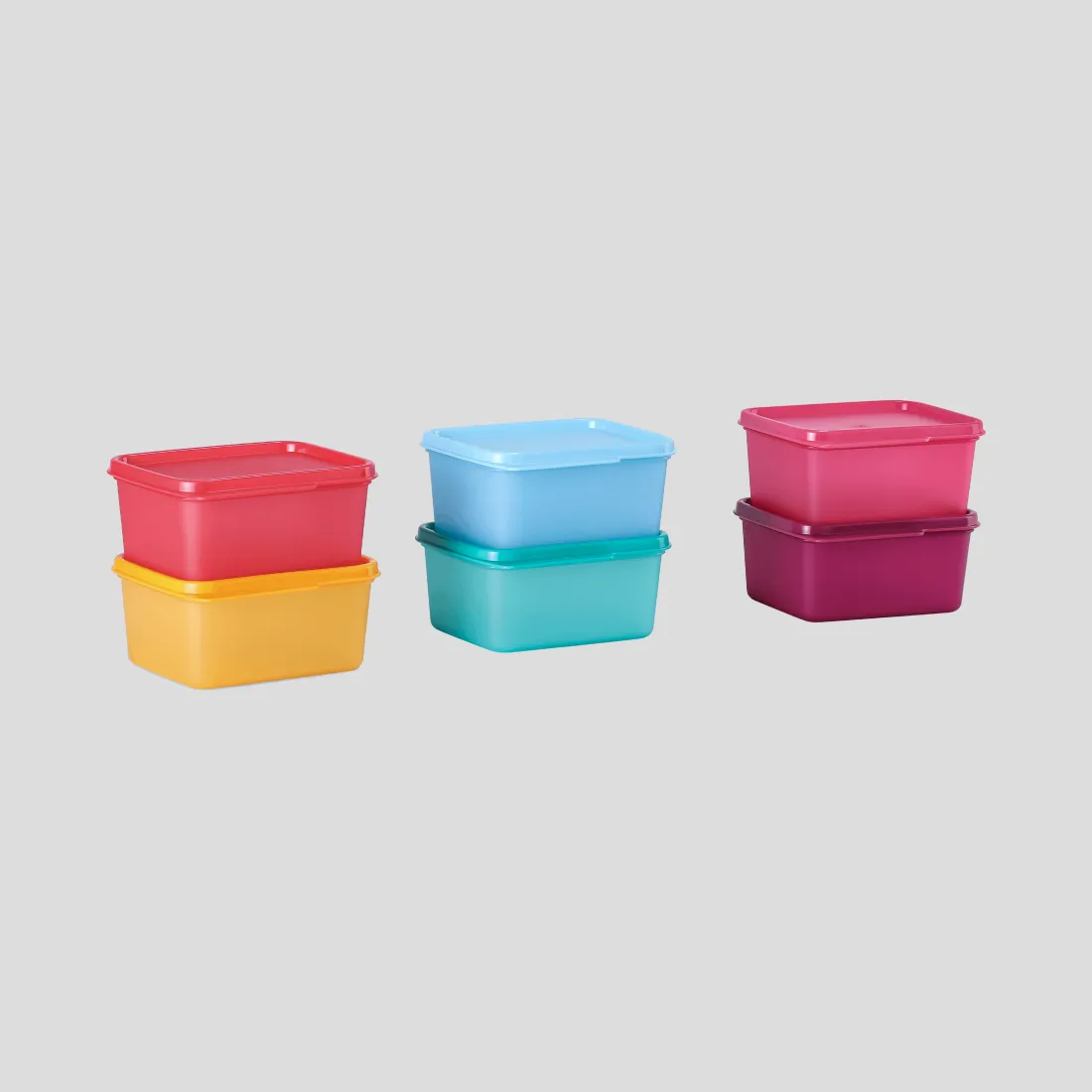
"BPA-free" simply means the plastic was made without Bisphenol A. Reputable kitchenware brands use BPA-free, food-grade plastics precisely so you don't have to worry about this.
A few things worth knowing:
Decoding Stainless Steel Grades: SS304, SS202, and 18/8
Stainless steel isn't a single material, it comes in different grades, and the grade tells you how it will perform around food. The two you'll see most in kitchenware are SS304 and SS202.
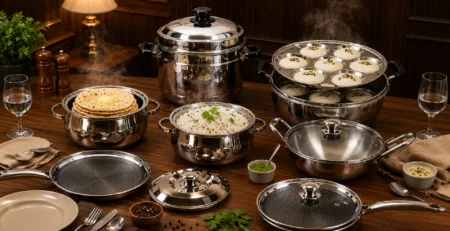
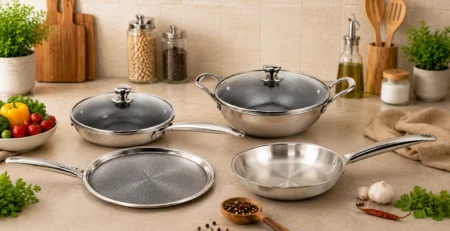
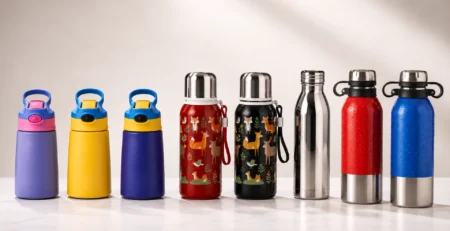
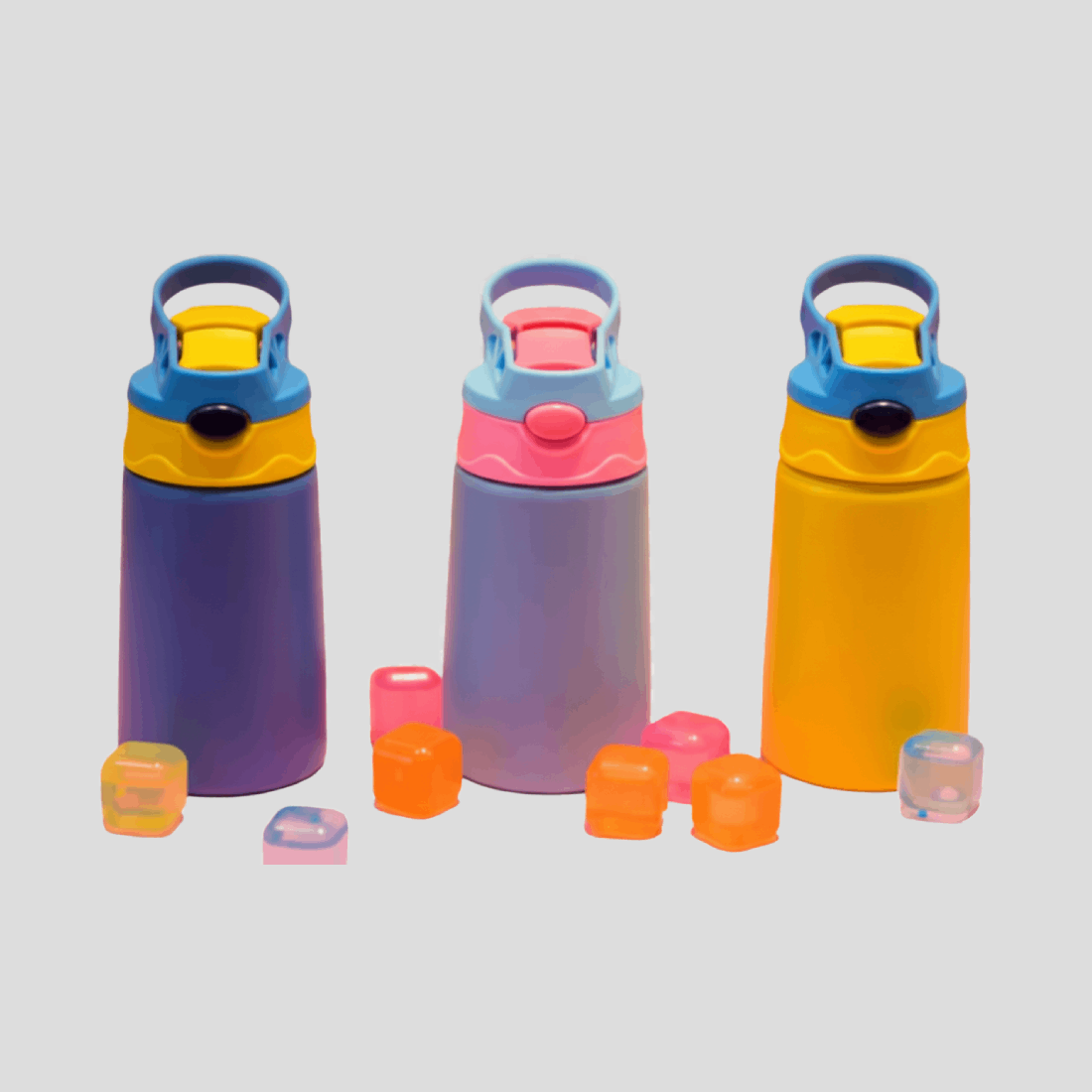
SS304 - the food-grade gold standard. This is the grade you want for anything touching food or drink. SS304 (also written as 18/8, meaning 18% chromium and 8% nickel) is highly corrosion-resistant, doesn't rust easily, doesn't react with acidic or salty foods, and doesn't leach into your food. The chromium forms a protective layer that keeps the steel stable and hygienic. This is why quality tiffins, bottles, and steel containers specify SS304.
SS202 - cheaper, less food-appropriate. SS202 contains less nickel and chromium, making it more prone to rusting and corrosion over time, especially with salty or acidic foods. It's often used in lower-cost products and outdoor/structural applications. It looks similar to SS304 when new, but it's not the ideal choice for long-term food contact.
What "18/8" and "18/10" mean. These numbers refer to the chromium/nickel content. 18/8 (SS304) is the trusted food-grade standard. Higher nickel grades like 18/10 offer even more corrosion resistance and shine.
The practical takeaway: for anything storing or serving food, look for SS304 / 18/8. That single detail separates genuinely food-safe steel from cheaper alternatives.
Quick Reference: Food-Grade Terms
How to Tell If Your Container Is Actually Safe
You don't need lab equipment. A few practical checks go a long way:
Why This Matters for Your Family
This isn't about fear, it's about informed choices. The food and water you store spend hours, sometimes days, in contact with these materials. Over time, low-quality plastic or steel can degrade, react with food, or leach unwanted substances. Genuinely food-grade materials are designed so that never happens.
The good news: you don't need to become a materials expert. Choosing kitchenware from a trusted brand that clearly commits to food-grade, BPA-free plastics and SS304 steel takes care of it for you. That single habit, reading the material label and buying from a brand that states it, protects your family with almost no effort.
Frequently Asked Questions
Is BPA-free plastic completely safe?
BPA-free, food-grade plastic from a reputable brand is considered safe for everyday food storage. The key is that it's genuinely food-grade, not just cheap plastic labelled loosely.
What's the difference between SS304 and SS202?
SS304 (18/8) is food-grade: rust-resistant, non-reactive, and safe for long-term food contact. SS202 has less nickel and chromium, so it's cheaper but more prone to rust and less ideal for food.
How do I know if my steel bottle is SS304?
Check the product listing or the base of the bottle, where the grade is often marked. Reputable brands specify SS304 / 18/8 clearly. If a product doesn't state its grade, that's worth questioning.
Is stainless steel or plastic safer for food?
Both are safe when genuinely food-grade. SS304 steel is extremely durable and non-reactive; BPA-free food-grade plastic is lightweight and convenient. The material's grade matters more than the material type.
What does 18/8 mean on steel products?
It means the steel contains 18% chromium and 8% nickel, the composition of SS304, the trusted food-grade stainless steel standard.
The Bottom Line
Food-grade labels aren't just marketing, they're your quickest guide to safe kitchenware. "Food-grade" means tested-safe for food contact; "BPA-free" means made without Bisphenol A; and "SS304 / 18/8" means genuinely food-safe stainless steel that won't rust, react, or leach.
You don't need to memorise the chemistry. Just read the material label, favour BPA-free food-grade plastic and SS304 steel, and buy from brands that state their materials openly. That one habit keeps your family's food storage genuinely safe.