

Microwave-Safe Containers: What to Look For and What to Avoid
You've had a long day. Dinner's in the fridge. You grab the container, hit start, and walk away, without a second thought about whether that container should be in there at all.
Most of us do it. And most of the time nothing dramatic happens. But "microwave-safe" isn't a vague suggestion, it's a real, testable standard, and knowing what it means protects your food, your container, and your microwave.
This guide explains exactly what makes a container microwave-safe, how to check the one in your hand right now, and the simple habits that make reheating effortless.
What "Microwave-Safe" Actually Means
A microwave heats food by making water molecules vibrate. It doesn't heat the container directly, the container gets warm mostly from the hot food touching it.
So a microwave-safe container is one that can handle that heat without:
That last point is the one people miss. Some materials, metal especially, don't let microwaves pass through. Instead they reflect them, which can damage your appliance. Microwave-safe materials let the waves pass straight through to the food.
How to Check If Your Container Is Microwave-Safe
The good news: you usually don't have to guess.
Materials: What Works in the Microwave
Here's the honest breakdown of the three main storage materials.
Glass — the microwave champion
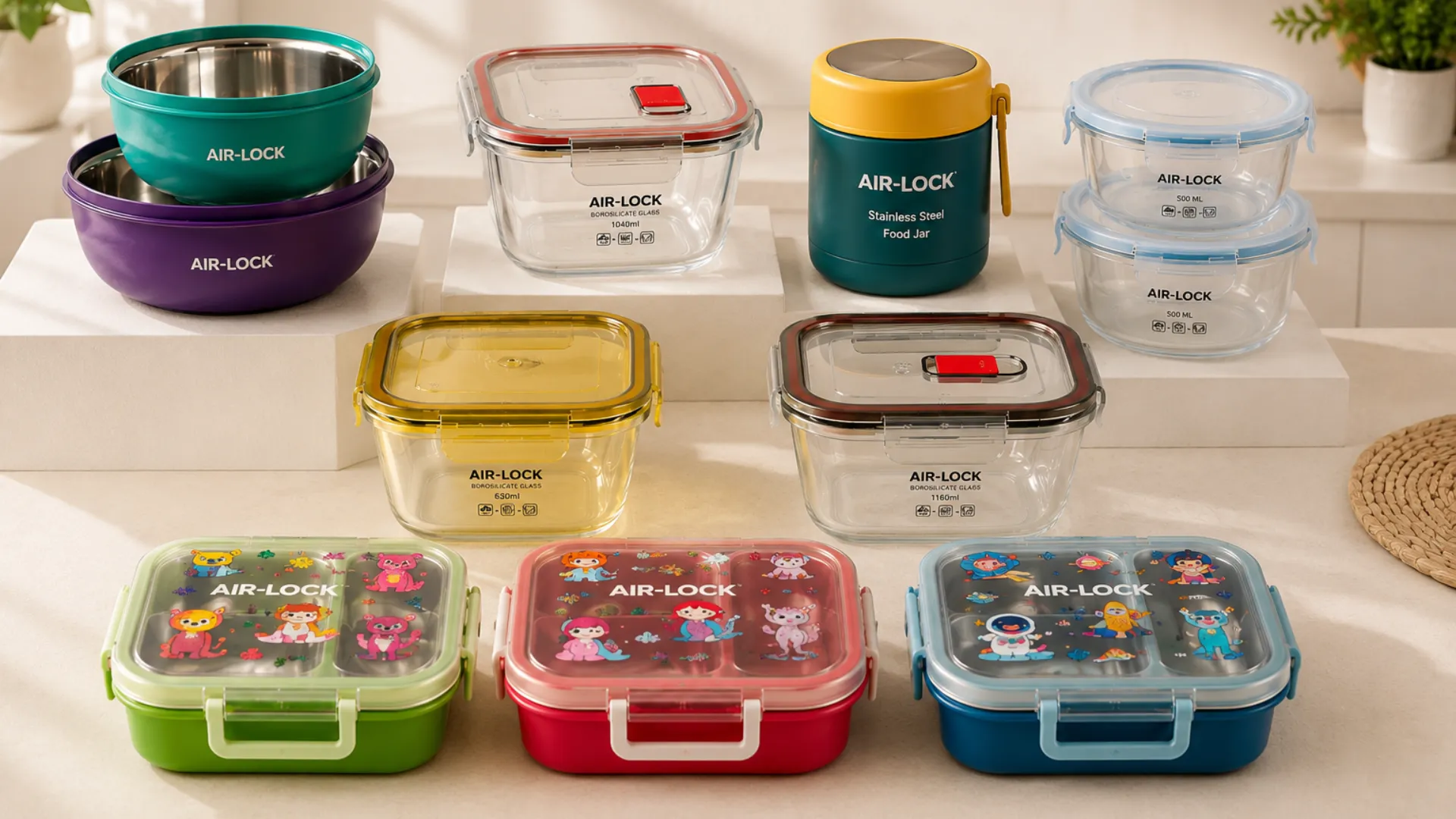
Glass is the material microwaves love. It's completely transparent to microwave energy, doesn't warp, doesn't absorb odours or stains, and doesn't react with food at any temperature. This is why glass is the natural choice for “store it, heat it, serve it”, one container handles the whole journey from fridge to table.
Quality glass containers built for food storage are designed for exactly this cycle. Just remember to remove the lid (or open the vent) before heating, and avoid extreme shocks like moving a container straight from freezer to a hot microwave without a short thaw.
Airlock's Fresh Lock Glass Container range is designed around this use, airtight for storage, microwave-friendly for reheating.
Microwave-safe plastic - the light, practical option
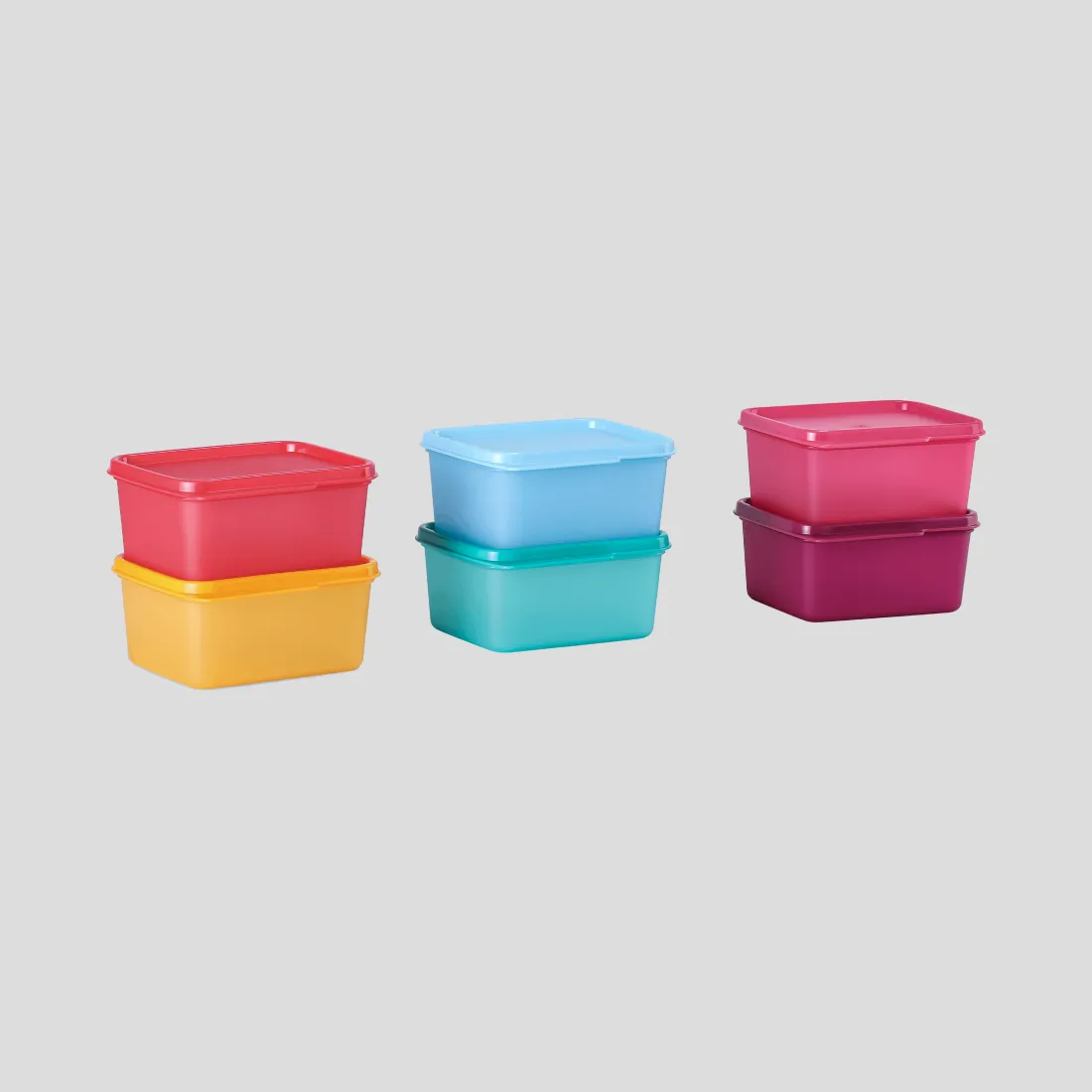
Not all plastic is microwave-safe, but plastic made specifically for microwave use absolutely is. Food-grade, microwave-rated plastic is engineered to hold its shape and stay stable at reheating temperatures.
The rule here is simple: use the ones that say so. Plastic designed for dry pantry storage isn't the same as plastic designed for reheating, even from the same brand. Check the symbol, check the product page, and you're covered.
Microwave-safe plastic wins on being lightweight, shatterproof, and easy to carry, perfect for reheating at the office or handing to kids.
A practical tip: very oily or very sugary foods reach much higher temperatures than water does, so use shorter bursts and stir between them.
Stainless steel — built for storage and travel, not the microwave
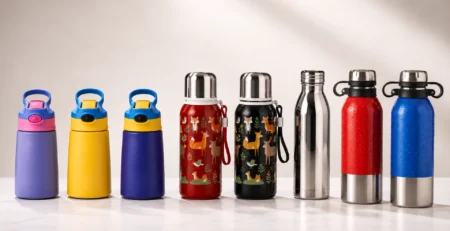
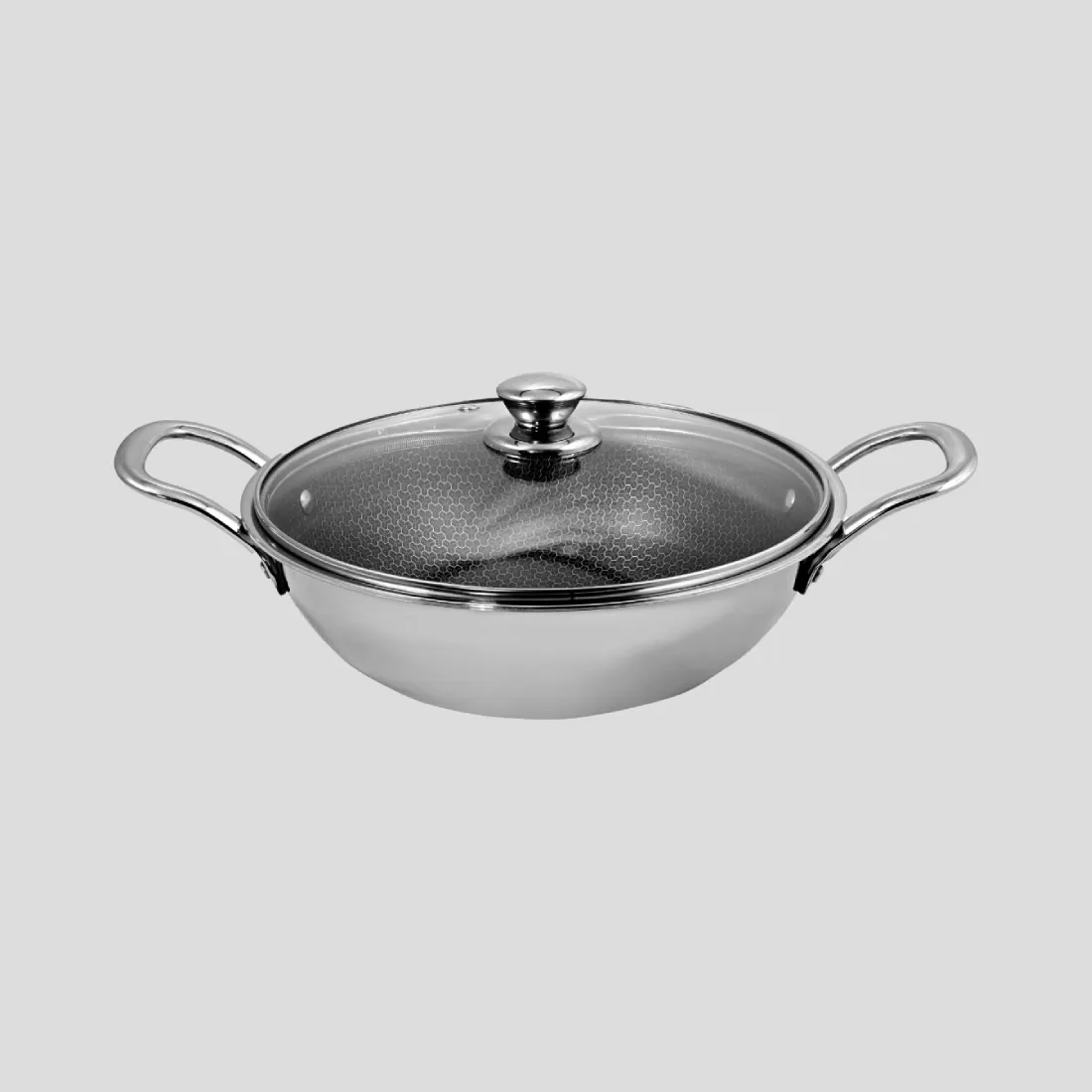
Steel is outstanding cookware and storage, durable, hygienic, non-reactive, lasts decades. But it should never go in a microwave, and that's simply physics, not a flaw. Metal reflects microwaves rather than letting them through, which can damage the appliance.
Steel's job is different: keeping food fresh, carrying it safely in a tiffin, and lasting a lifetime. When you need to reheat, transfer to glass or microwave-safe plastic, that's the natural teamwork of a well-stocked kitchen.
Quick Reference Table
What to Avoid in the Microwave
A short list worth remembering:
Simple Habits for Better Reheating
Building a Kitchen That Handles Everything
The neat solution isn't finding one container that does everything, it's having the right container for each job:
Match the container to the task and you'll never have to wonder at the microwave door again.
Frequently Asked Questions
How do I know if a container is microwave-safe?
Check the base for a microwave symbol (a square with wavy lines) or the words "Microwave Safe," and check the product page. If there's no marking and you don't know the brand, transfer the food to a container you know is rated.
Can I microwave the lid too?
Usually not sealed. Even when a lid is microwave-safe, you should remove it or open its vent so steam can escape. Never heat a fully sealed airtight container.
Why can't stainless steel go in the microwave?
Metal reflects microwaves instead of letting them pass through, which can damage the appliance. Steel is excellent for storage and tiffins, just transfer food to glass or microwave-safe plastic to reheat.
Is it safe to microwave plastic?
Yes, when it's food-grade plastic specifically rated microwave-safe. The rating exists precisely because that plastic was tested for it. Plastic meant only for dry storage shouldn't be used for reheating.
Can glass containers crack in the microwave?
Quality glass storage containers handle normal reheating well. Avoid extreme shocks, like going straight from the freezer into a hot microwave, and let frozen food thaw briefly first.
Why does my food heat unevenly?
Microwaves heat in patterns rather than uniformly. Stirring halfway through and using shorter bursts fixes this almost every time.
The Bottom Line
"Microwave-safe" isn't marketing, it's a real standard that tells you a container was tested to handle reheating without warping, cracking, or reacting.
The rules are simple: glass and microwave-rated plastic go in, metal stays out, and lids come off. Check the symbol, vent the steam, stir halfway, and reheating becomes completely worry-free.